



























Schefflera Nora – Umbrella Tree: Care, location & tips for vigorous growth
The Schefflera Nora is a true classic among houseplants, and for good reason. With its characteristic palmately compound leaves that resemble a small umbrella, it brings a harmonious symmetry to your living spaces. The "umbrella tree" is considered particularly robust, making it an excellent choice even for those without a green thumb. Whether in the office or the living room, the Schefflera Nora doesn't just look good; it actively improves the indoor climate.
Origin & Characteristics
Originally native to the tropical and subtropical regions of Taiwan and Australia, the Schefflera Nora belongs to the Araliaceae family. In its native habitat, it grows into stately trees, while as a houseplant, it impresses with its compact form. A botanical specialty is its enormous adaptability to different light conditions, which makes it one of the most grateful companions to have.
Appearance & Growth
How big does a Schefflera Nora get?
The "Nora" variety is usually supplied with a height of 35-45 cm and grows in a bushy, upright manner. Over time, it can reach a considerable size in a pot but stays well-shaped with regular pruning. The glossy, deep green leaves grow in a circular pattern on the petioles, giving the plant its namesake umbrella shape.
The ideal Schefflera Nora location
To ensure your umbrella tree thrives magnificently, you should choose the Schefflera Nora location carefully.
- Light conditions: It loves bright to semi-shaded spots. Direct midday sun can burn the leaves, while corners that are too dark will slow down growth.
- Temperature: Room temperature is ideal. In winter, the plant should not be kept in temperatures below 15 °C.
- Drafts: Avoid cold drafts, as the umbrella tree can be sensitive to them.
Caring for the Schefflera Nora & watering correctly
How often should the umbrella tree be watered?
When it comes to caring for the Schefflera Nora, moderation is the key to success. The plant prefers evenly moist substrate but absolutely cannot tolerate waterlogging. Wait to water again until the top layer of soil has noticeably dried out. In winter, it requires significantly less water. Occasional misting of the leaves increases humidity and prevents brown tips.
Typical problems & solutions
Why is my Schefflera Nora losing leaves?
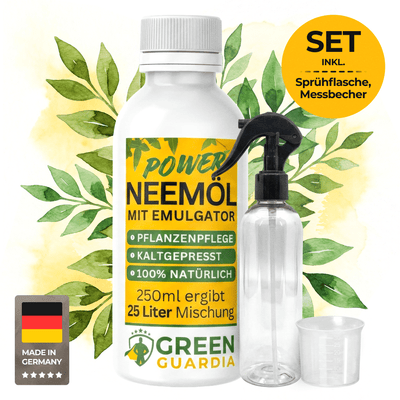
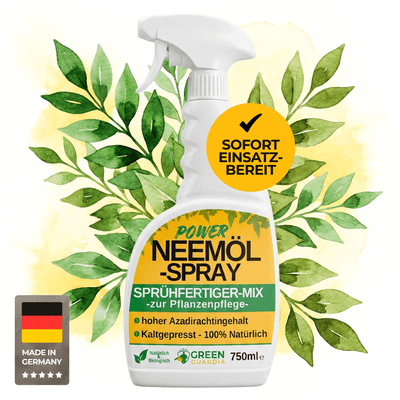
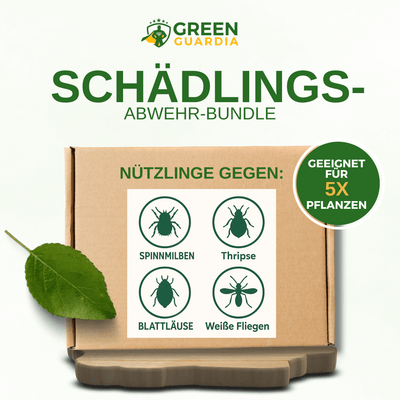
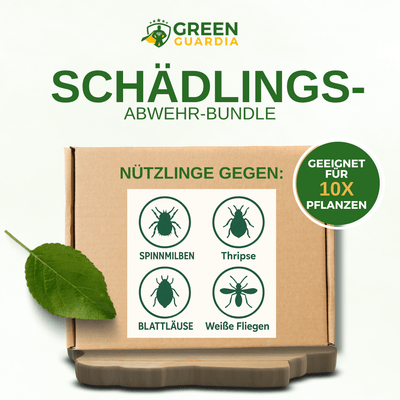
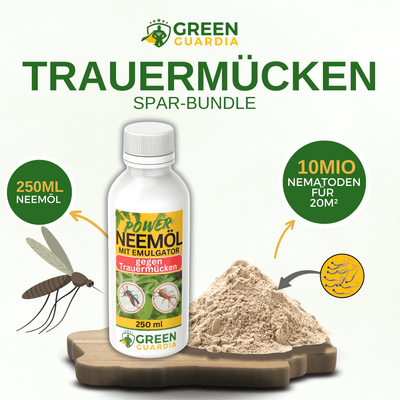
Often, substrate that is too wet or a location that is too dark is the cause of leaf drop. Check if water is collecting in the saucer. Should you discover pests like spider mites or scale insects, gentle support with a natural, neem oil-based plant protection product is recommended. This supports care and strengthens the resistance of the Schefflera Nora without harming the environment.
Take action now:
The Schefflera Nora is the ideal plant for anyone seeking green abundance without complicated requirements. With the right location and attentive watering habits, it will enrich your home for many years to come. Remember to wipe the dust off the leaves regularly so that photosynthesis can take place optimally.
Are you ready for your own green lucky charm? Discover the Schefflera Nora at GreenGuardia and bring fresh energy into your home!
FAQ about the Schefflera Nora
Is the Schefflera Nora poisonous to cats?
Yes, like many Araliaceae, the Schefflera Nora contains oxalate crystals, which are slightly poisonous to pets and humans if ingested. It should therefore be kept in a place that is difficult for curious four-legged friends to reach.
How often should I fertilize my umbrella tree?
During the main growth period from March to October, your umbrella tree will appreciate an application of liquid fertilizer for green plants every two weeks. In winter, you can stop fertilizing completely.
What to do if there are sticky leaves on the Schefflera?
Sticky residues often indicate aphids or scale insects. Rinse the plant thoroughly and use organic aids such as neem oil to support plant health and preserve the vitality of the leaves in the long term.


