




























































Controlling spider beetles: Effective natural methods for prevention and control
Are you discovering small, roundish brown beetles in your kitchen cupboards, pantry, or storage room – and wondering where they came from? Spider beetles are classic stored product pests found indoors. The good news is: you can get the problem under control long-term by combining hygiene, smart immediate measures, and natural solutions.
Causes: Why do spider beetles appear?
Spider beetles often enter the home via packaging, old stock, or small cracks. They feel particularly at home wherever there are crumbs, organic residues, or older supplies. Warm, poorly ventilated areas (e.g., behind baseboards, in pantries, in storage rooms) can also encourage an infestation.
Typical everyday triggers
- Open or poorly sealed food (flour, muesli, pet food, spices)
- Old stock (long-stored items, cardboard boxes, paper bags)
- Crumbs, dust, organic residue in corners/drawers
- Cracks, cavities, and hard-to-reach areas (baseboards, gaps, back panels of cabinets)
Detection: How do you spot a spider beetle infestation?
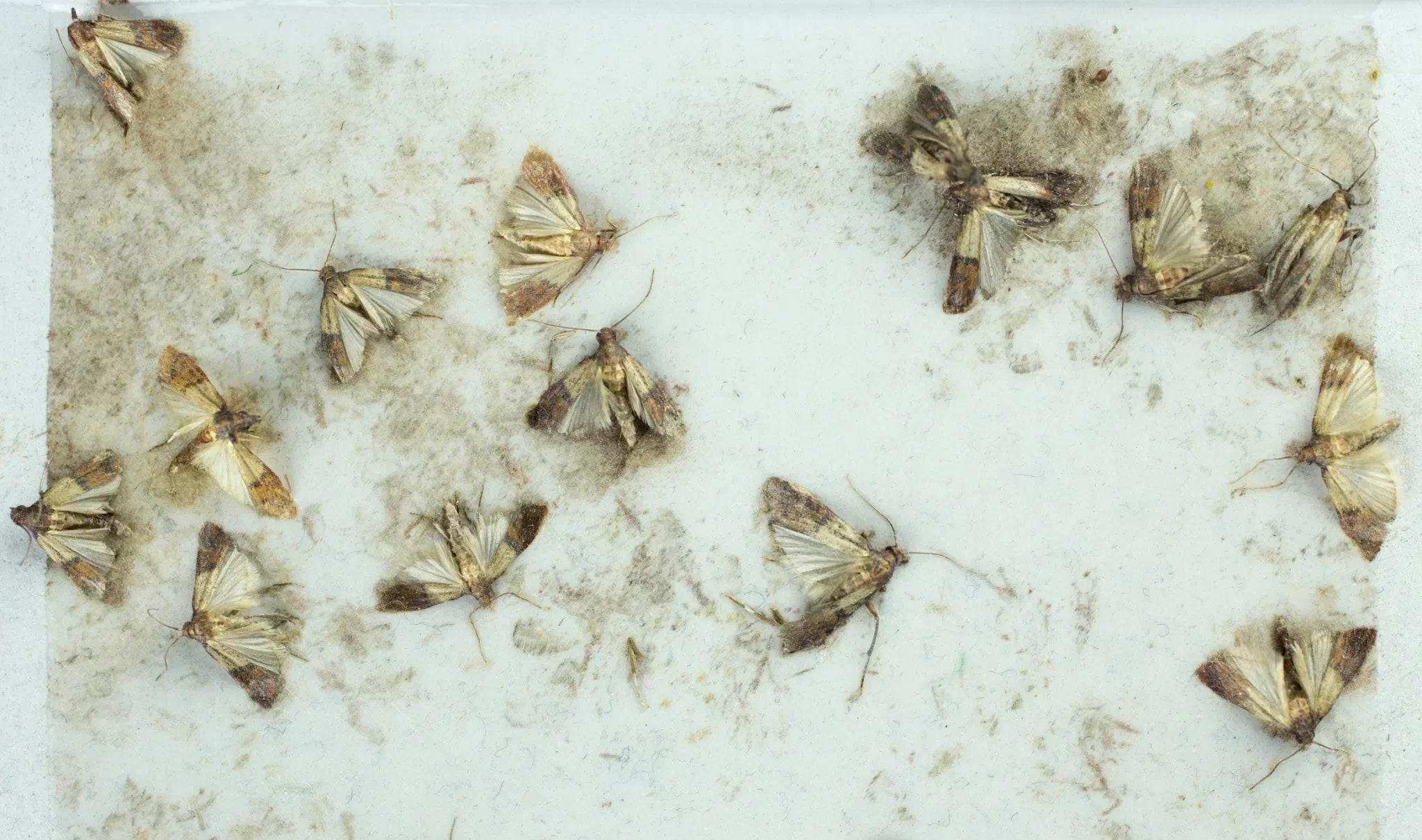
Spider beetles are usually small, brown, and look almost like tiny balls due to their shape. Often, it is not the insects themselves that are noticed first, but rather recurring sightings near food supplies or along edges.
Checklist: Typical warning signs
- Small, roundish beetles in cabinets, pantries, or along baseboards
- Recurring sightings despite having "cleaned once"
- Infestation concentrated near food supplies, pet food, or old packaging
- Hiding spots in cracks, behind baseboards, or under cabinet units
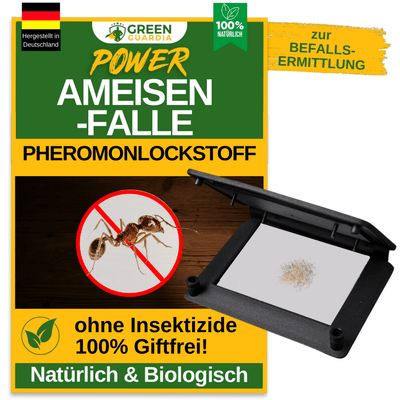
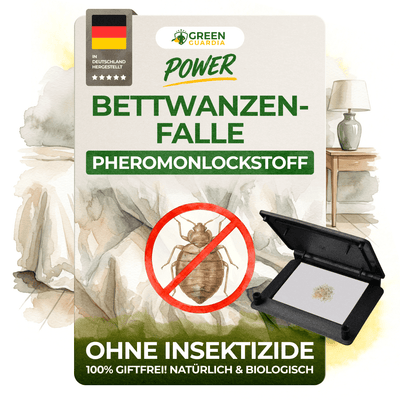
🐞 Tip: If you cannot clearly identify the beetles, use early monitoring: A beetle trap with special attractant helps make their activity visible and allows you to locate the center of the infestation.
Control: Natural measures that really work
When it comes to spider beetles, a systematic approach works best: first find the cause, then clean consistently, and monitor the infestation in parallel. This prevents any remaining pests from spreading again.
1) Check supplies & discard items consistently
- Clear out all supplies and check all packaging (including pet food, snacks, spices).
- Dispose of suspicious products – it is better to be a bit too thorough once than to deal with recurring trouble.
- Transfer inconspicuous items into tightly sealing containers (glass/metal/hard plastic).
2) Clean thoroughly – including the "invisible spots"
- Vacuum cabinets completely (joints, drill holes, rails, cabinet back panels).
- Wipe down surfaces, paying extra attention to edges/cracks.
- Empty the vacuum cleaner bag/container outside immediately afterward.
3) Monitoring & trapping – targeted, not "on suspicion"
To reduce infestation pressure and detect new activity early on, rely on proper monitoring. A beetle trap with special attractant is ideal for this: You can see where movement is still occurring – and can target your follow-up cleaning exactly there.
4) Natural allies as support
In storage areas, the additional use of beneficial insects can be useful – especially if you have recurring problems or want to permanently secure storage rooms/food zones. Here, for example, Lariophagus distinguendus (parasitic wasps) come into play as natural helpers to reduce infestation in typical storage environments – completely without harsh chemicals.
Prevention: How to keep your pantry free of spider beetles
Sustainable prevention means: storing cleanly, sealing properly, and checking regularly. This removes the basis for spider beetles – and prevents a small entry point from becoming a real problem.
Everyday prevention (without much effort)
- Consistently transfer supplies into tight containers (especially flour, muesli, pet food).
- Avoid crumb zones: Wipe down drawers/shelves regularly.
- Avoid old stock: Use the "first in – first out" principle (consume older supplies first).
- Check cracks/gaps and seal if necessary (baseboards, cabinet back panels).
- Use an early warning system: Occasionally check high-risk areas with a trap.
✅ Practical approach: Combine prevention + control: In sensitive areas, a beetle trap with special attractant ensures oversight, while parasitic wasps can be a natural supplement for long-term protection.
Frequently asked questions about spider beetles
Where do spider beetles in the home come from?
Spider beetles are often introduced via packaging, old stock, or cardboard boxes. They often find enough organic residue in pantry cupboards, storerooms, and cracks. The key is to find the source (supplies/hiding spots) and remove it consistently.
Which foods are particularly affected?
In practice, dry goods are the most relevant: flour, cereal products, muesli, nuts, dried fruit, spices, and pet food. Even if you cannot find a "visibly infested" product, crumb zones and cracks can be enough to serve as a refuge.
What helps quickly if I keep finding beetles?
Follow a clear sequence: empty out → check → dispose/transfer → clean thoroughly. Afterward, monitoring helps to make residual activity visible – e.g., via a beetle trap with special attractant. This way, you can see if you are truly "done" or if another corner needs further work.
Are beneficial insects useful in storage areas?
Yes – especially if you have recurring problems or want to permanently secure pantry/storage rooms. As a natural supplement, parasitic wasps can help reduce infestation in typical storage environments. However, it remains important that: hygiene and source removal are essential.
Take action now:
If you tackle spider beetles consistently, you can reliably get the problem under control: find the source, clean thoroughly, store food securely, and keep an eye on activity. For targeted control, a beetle trap with special attractant is suitable. And if you would like to additionally secure your storage areas naturally, parasitic wasps are a strong supplement. This protects your supplies sustainably – and ensures long-term peace in the cupboard.