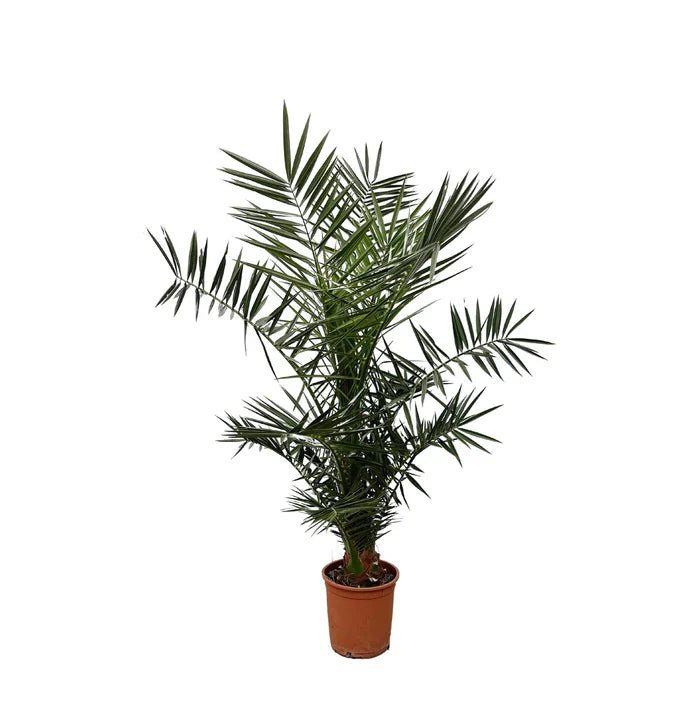





























Cordyline australis ‘Red Star’ – Care, location & tips for the red cabbage palm
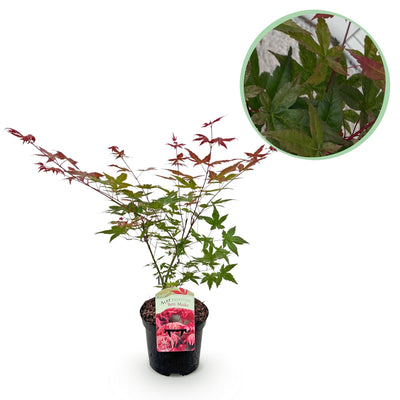
A dramatic splash of color for your green oasis: The Cordyline australis ‘Red Star’ impresses with its intense red-brown to wine-red leaves. This variety of cabbage palm immediately brings an exclusive, almost architectural flair to your patio or living room. In this guide, you will learn how to successfully care for your Cordyline and maintain its vibrant color.
Origin & Characteristics
The Cordyline australis is originally from New Zealand. Despite its palm-like appearance, it belongs to the asparagus family. The Cordyline australis ‘Red Star’ is a particularly popular ornamental form known for its robustness and striking leaf color. It is considered easy to care for and is suitable for both container cultivation and (in mild climates) planting out in the garden.
Appearance & Growth
The 'Red Star' forms narrow, sword-shaped leaves that grow in dense rosettes. Over time, it develops a trunk, which gives it its characteristic palm-like appearance. With a delivery height of approx. 80 cm in a 17 cm pot, the red cabbage palm is already an impressive sight that can grow to several meters in height as it matures.
The ideal location for the Cordyline Red Star
Where does the red cabbage palm show its best colors?
When caring for the Cordyline australis Red Star, light is the decisive factor. The brighter its position, the more intense the coloring of the leaves.
- Light: Full sun to bright partial shade. A sunny spot encourages vibrant red.
- Temperature: In summer, it enjoys being warm outdoors. In winter, it requires protection.
- Protection: A sheltered location protects the long leaves from becoming frayed by strong winds.
Care & Watering: Caring for the Cordyline australis Red Star
Assessing water needs correctly
The Cordyline Red Star likes to be kept consistently moist but absolutely hates waterlogging. Only water once the top layer of soil has dried out. In winter, watering should be significantly reduced, especially if the plant is kept in a cooler place. Avoid pouring water directly into the heart of the leaf rosette to prevent rot.
Typical problems & solutions
Why are my Cordyline’s leaves turning brown?
Brown leaf tips often indicate air that is too dry or irregular watering. If whole leaves at the base turn brown, this is often a natural process of trunk formation – the plant is shedding old leaves. However, if spots appear on the leaves of your Cordyline australis, check the plant for waterlogging or fungal infection.
⭐ Care tip: Occasionally mist the leaves with soft water during the summer. This not only increases humidity but also cleans the leaves of dust, making them shine even more beautifully.
Prevention & long-term care
Use well-draining soil (e.g., a mixture of potting soil and sand). During the growing season from April to August, you can support the red cabbage palm every two weeks with a liquid green plant fertilizer. To strengthen its resistance against pests such as scale insects or spider mites, you can use natural products for leaf care and vitality support.
FAQ about the Cordyline australis Red Star
Is the Cordyline Red Star winter-hardy?
In very mild regions (wine-growing climates), it can stay outdoors with winter protection. Generally, it can tolerate brief, light frost down to approx. -5 °C. However, it is safer to overwinter it indoors in a cool, bright spot at approx. 5-10 °C.
How fast does the red cabbage palm grow?
It has a moderate growth rate. In a container, it usually reaches a modest size, whereas it can grow significantly more vigorously outdoors in the ground.
Is the Cordyline australis toxic to pets?
Yes, Cordyline species contain saponins which can be toxic to cats and dogs if ingested. Therefore, keep the plant out of reach of pets.
Take action now:
The Cordyline australis ‘Red Star’ is the perfect choice for anyone looking to make an uncomplicated and vibrant style statement. With its striking red color and elegant shape, it will become the highlight of your plant collection. Provide it with plenty of light and a well-draining substrate, and you will enjoy this exotic beauty for a long time.
Bring the exotic fire home! Order your healthy Cordyline australis ‘Red Star’ from us now and enjoy exclusive garden and home flair!