






































Mullein beetle: Recognizing infestation on Mullein & managing effectively
The mullein beetle mainly appears on Mullein (Verbascum). Most noticeable are the larvae, which feed in flowers and seed heads. In many gardens, it is not a classic pest, but rather a strictly host-specific housemate. Here you can find out how to properly classify it, when action is required, and what role pirate bugs can play as beneficial insects.
Is the mullein beetle problematic?
In most cases, no. The beetle primarily reduces the seed set of the mullein. The plant itself is rarely permanently damaged. The infestation becomes problematic primarily when seeds are to be specifically harvested.
How to recognize an infestation
- Larvae inside flowers or seed heads
- Flowers appear hollowed out or fail to develop
- Reduced or missing seed set
Beneficial insects against mullein beetles
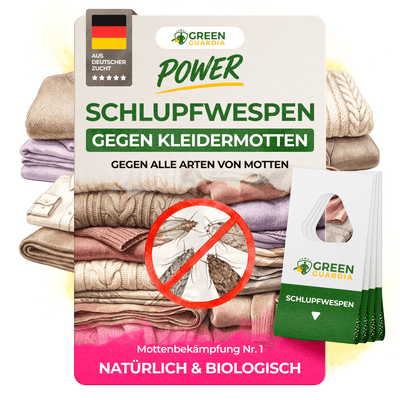
As a suitable beneficial insect, pirate bugs (e.g., Xylocoris species) can be used as support. Pirate bugs are predatory insects that hunt small insect stages and can thus reduce the infestation pressure – especially in more sheltered areas.
Alternatives & supplementary measures
1. Remove infested flower heads
- Cut off heavily infested flowers/seed heads early
- Dispose of material safely (do not leave out in the open)
2. Specifically protect seeds
- Cover desired seed heads with fine netting or bags
- Check regularly
3. Stay calm
- If no seeds are needed, intervention is often not necessary
- The beetle regulates the heavy self-seeding of the mullein
FAQ about the mullein beetle
Is there a specific beneficial insect?
Yes, pirate bugs can provide support, but they do not replace mechanical measures in case of heavy infestation.
Do I need to do anything at all?
Often not. If the reduced seed set does not bother you, you can easily tolerate the beetle.
How can I prevent this?
Inspect early, protect individual seed heads, and remove infested parts in time.